
Basics

Background

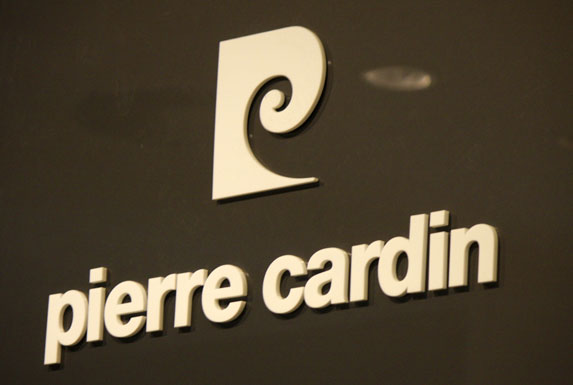
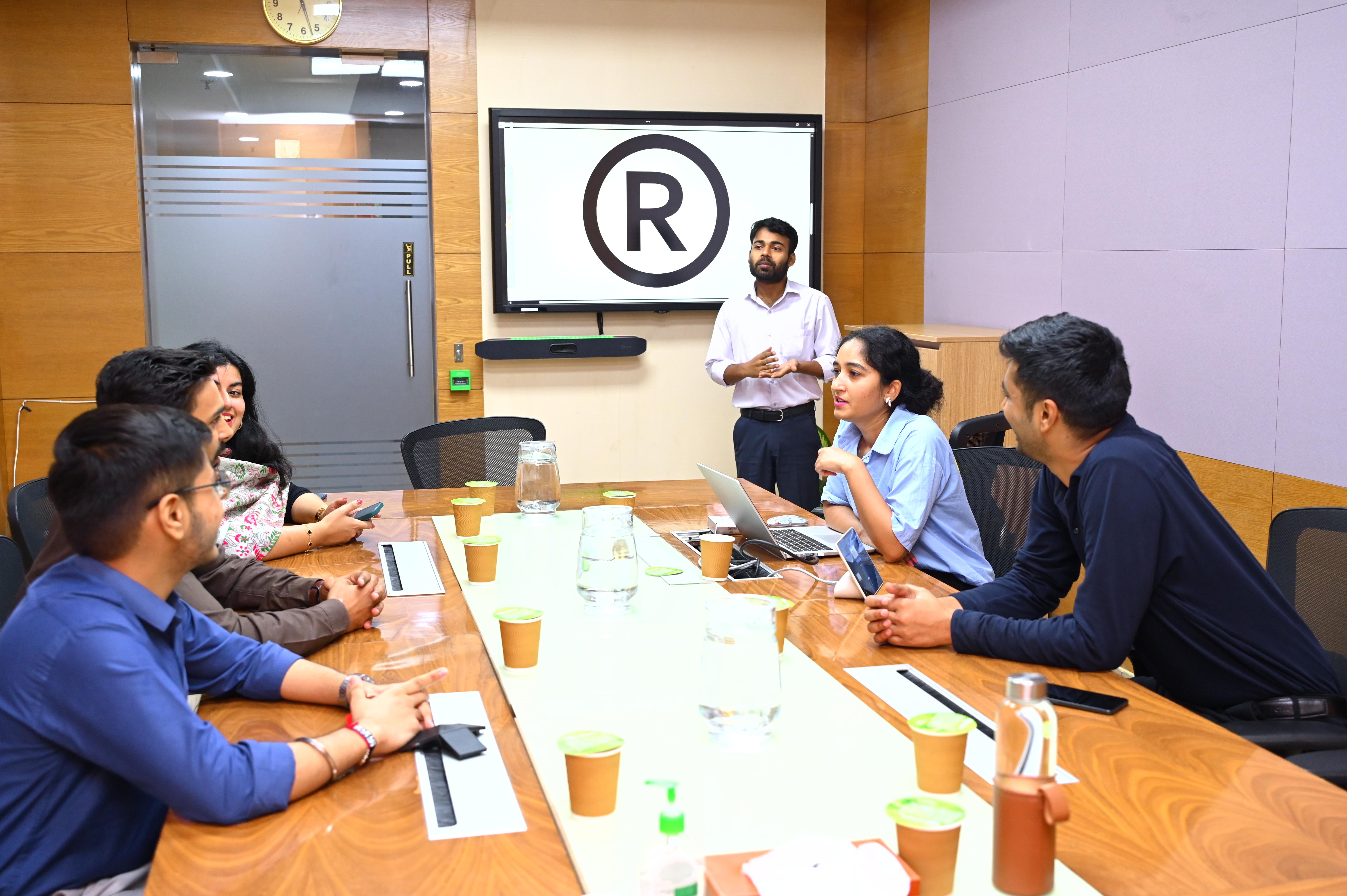
™️ What is a Trademark? A trademark is a unique and legally protected mark that helps distinguish the goods or services of one business from those of others. It can take various forms, including:

  • Names or words
  • Logos or symbols
  • Signs or taglines
  • Sounds or jingles
  • Images, shapes, or packaging
  • Colour combinations

A trademark serves as a symbol of origin, linking a product or service to its rightful owner and assuring consumers of its authenticity and quality.

Functions of a trademark are:
 
Identification
Clearly identifies the origin of a product or service.
Source Recognition
Differentiates the brand or business from its competitors.
Quality Assurance
Signals consistent quality, helping build consumer trust.
Advertising Value
Acts as a powerful tool in brand promotion and marketing.

A trademark essentially bears the “stamp of quality”, making it a valuable business asset..

Types of Trademarks

What is a Conventional Trademark?

A conventional trademark refers to traditional types of trademarks that are commonly recognized and registered under trademark laws. These include marks made up of words, letters, numbers, symbols, logos, designs, or combinations of these elements used to identify and distinguish goods or services.

Conventional trademarks can take various forms such as:

Types of Conventional Trademarks

1. Word Marks

A word mark protects the rights to the word(s), letters, or numbers themselves, regardless of how they are stylized or presented visually. The protection covers only the text, not the design or font.
Examples: Amul, Nike, Armani, Adidas.

2. Service Marks

A service mark identifies and distinguishes the source of a service rather than a physical product. It can be a word, phrase, symbol, design, or combination thereof.
Example: A logo or name used by a consulting firm or a telecom service.

3. Collective Marks

A collective mark represents the goods or services of members of an association or group. The association itself owns the mark.
Examples:

  • ‘CA’ used by The Institute of Chartered Accountants of India
  • ‘CS’ used by The Institute of Company Secretaries of India

4. Certification Marks

A certification mark certifies that the goods or services meet certain standards or qualities, as defined by the owner of the mark. The mark distinguishes products or services that conform to these standards.
Examples: WOOLMARK (certifies wool products), ISI (certifies standards in India).

An unconventional trademark refers to marks that go beyond traditional words and logos. These trademarks include unique and distinctive elements such as:

  • Sounds (e.g., the Intel chime)
  • Colors or color combinations (e.g., the specific shade of Tiffany blue)
  • Shapes or packaging (e.g., the distinctive shape of the Coca-Cola bottle)
  • Holograms
  • Motion marks (animated logos or sequences)
  • Smells or scents (in rare cases)

These marks serve the same purpose as conventional trademarks—to identify the source of goods or services—but rely on non-traditional sensory elements. Registering unconventional trademarks can be more complex, as they must clearly distinguish the brand and meet legal requirements for distinctiveness.

Guidelines for Selecting an Effective Trademark

  • Simple to Pronounce and Spell: Pick a word mark that’s easy to say and write, making it more recognizable and easier for customers to remember.
  • Distinctive and Memorable: Choose a mark that is unique, attractive, and leaves a lasting impression.
  • Original and Creative: Use invented words, custom monograms, logos, or geometric shapes that clearly differentiate your brand.

Things to Avoid When Choosing a Trademark

  • Generic or Overused Terms: Steer clear of words like best, premium, ultimate, or images that merely describe the product or service.
  • Geographical Locations and Common Names: Avoid using place names, popular surnames, or names associated with communities or individuals.
  • Legally Restricted Elements: Do not use any symbols or words prohibited by law.
  • Marks Similar to Existing Trademarks: Ensure your trademark is not confusingly similar or identical to any existing registered marks.

Trademarks

The term of trademark registration in India is 10 years from the date of application. This registration can be renewed indefinitely for additional periods of 10 years each, upon payment of the prescribed renewal fees.

  • Proof of Ownership

Registration serves as prima facie evidence of your ownership of the trademark.

  • Exclusive Rights

The registered owner gains the exclusive right to use the trademark for specified goods or services and can take legal action against infringement.

  • Transferability

A registered trademark can be assigned, licensed, or sold like any other valuable property.

  • Long-term Goodwill

By renewing the registration periodically, the owner can maintain the goodwill and brand value associated with the trademark indefinitely.

Buying, selling, or using fake products is trademark infringement and is punishable by law. Counterfeit goods not only damage brands but also deceive and harm consumers.

Always buy genuine products from authorized dealers. Your vigilance helps us fight counterfeiting and protect quality and authenticity in the market.

Disclaimer
 

All information, in the form of texts, graphics and trademarks, displayed on this website is intended solely to provide general guidance on matters of interest for the personal use of the reader, who accepts full responsibility for its use. The information on this site has been included in good faith and is for general purposes only. It should not be relied upon for any specific purpose and no representation or warranty is given as regards its accuracy or completeness. As such, it should not be used as a substitute for consultation. CIPAM has no connection or relationship whatsoever with respect to sale or commercial connection with the companies or its affiliates, owning the trademarks.

💬