Basics 

A Geographical Indication (GI) is a sign used on products that originate from a specific geographical region and possess qualities, reputation, or characteristics essentially linked to that location.

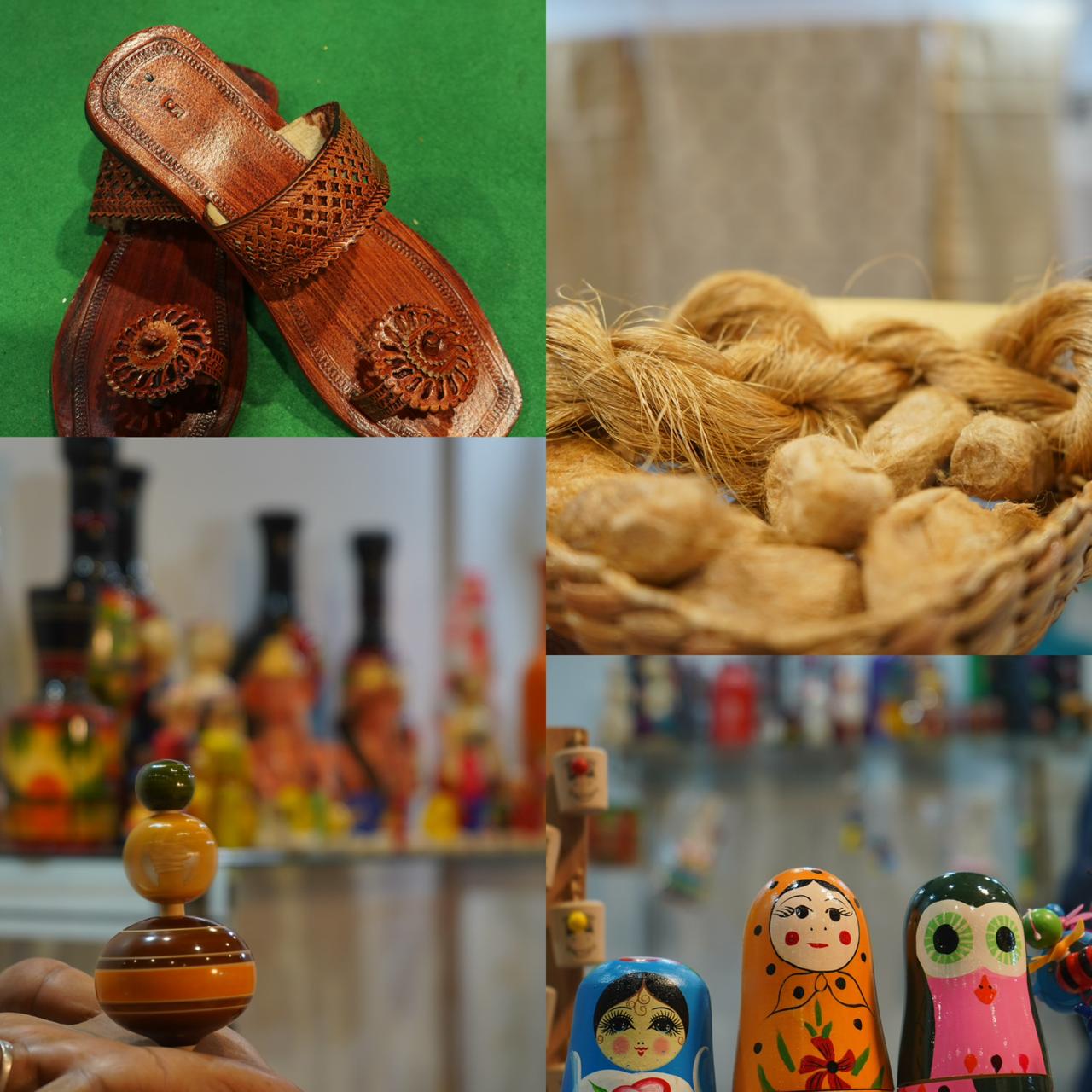
GIs typically apply to agricultural products, natural goods, handicrafts, and industrial items that derive their distinctiveness and quality from their region of origin.

Why GIs Matter

  • They ensure authenticity and protect traditional knowledge and skills.
  • They help preserve cultural heritage and regional identities.
  • GIs also boost local economies by adding market value to the products.

Legal Protection

Using a GI falsely or misleading consumers such as labeling non-authentic products as “Darjeeling Tea”—is a punishable offense under the law.

Examples of Indian GIs

  • Darjeeling Tea (West Bengal)
  • Chanderi Saree (Madhya Pradesh)
  • Kanchipuram Silk Saree (Tamil Nadu)
  • Nagpur Orange (Maharashtra)
  • Bikaneri Bhujia (Rajasthan)
  • Champagne (France)

As of March 2025, India has registered a total of 658 Geographical Indications (GIs).

intellectual property

Get to Know Your GI

Here Are Some GI:

  • A traditional saree made in Chanderi district of Madhya Pradesh.
  • These are produced in three kinds of fabrics namely pure silk, Chanderi cotton and silk cotton.
  • It is famous for its fine texture and zari woven work.
  • Centuries old special weaving techniques used in its manufacturing.
  • Traditional coins, floral print, peacocks and geometric patterns are popular motifs used for these sarees.
  • The Chanderi fabric is known for its sheer texture, being light weight and a glossy transparency which sets it apart from all other fabrics.
  • There are 3,500 spinning yarns in working condition presently and provides livelihood to more than 18000 people engaged in this industry.
  • Since the beginning, the buttis on the fabric are hand woven using handlooms.
  • In 1910 the Royal family of Scindia brought the Chanderi saree under their patronage. Asharfi butti being the most famous one, was earlier only used for the Royal family.
  • The application for Geographical Indications registration was filed by Chanderi Development Foundation and was granted in 2005.
  • Mysore sandal soap is manufactured by the Karnataka Soaps and Detergents Limited (KSDL), a company owned by the Government of Karnataka in India.
  • The manufacturing of this soap started in 1916 when Krishna Raja Wadiyar, the King of Mysore set up a soap factory in Bangalore.

Common FAQ’s

  • Geographical Indication is primarily an agricultural, natural or a manufactured product (handicrafts and industrial goods) originating from a definite geographical territory.
  • Some examples are Champagne, Darjeeling Tea, Chanderi Saree, Kanchipuram Silk Saree, Nagpur Orange,  Bikaner Bhujia,  etc.
  • Typically, such a name conveys an assurance of quality and distinctiveness which is essentially attributable to the fact of its origin in that defined geographical locality.
  • People with a malicious intention to sell other variety of teas with the title/label “Darjeeling” can be punished.
  • Under Articles 1 (2) and 10 of the Paris Convention for the Protection of Industrial Property, geographical indications are covered as an element of IPRs. They are also covered under Articles 22 to 24 of the Trade Related Aspects of Intellectual Property Rights (TRIPS) Agreement, which was part of the Agreements concluding the Uruguay Round of GATT (General Agreement on Tariffs and Trade) negotiations.
  • Geographical Indications in India is protected under the Geographical Indications of Goods (Registration & Protection) Act, 1999 and the Geographical Indications of Goods (Registration & Protection) Rules, 2002.

GI protection helps safeguard unique regional skills and practices that have been passed down through generations.

  • Prevent GIs from Becoming Generic

Legal recognition ensures that the names of traditional goods remain exclusive to their place of origin and are not misused.

  • Support a Transparent & Enforceable Legal System

A rule-based system promotes fair competition and empowers genuine producers to protect and benefit from their products.

Benefits of GI Registration in India

  • Legal Protection – Registration confers exclusive rights over the use of the GI, preventing misuse or misrepresentation by unauthorized parties.
  • Boost to Exports – GI-tagged products are often associated with quality and authenticity, making them highly valued in global markets and boosting international trade.
  • Economic Growth for Local Communities – GI registration helps increase the market value of regional products, improving livelihoods and promoting economic development in the area of origin.
  • Brand Identity and Consumer Trust – GIs create a recognizable identity that builds consumer confidence and loyalty by assuring genuine origin and quality.

Registration of a Geographical Indication (GI) provides legal protection against misuse, ensures exclusive use of the name by authorized producers, and helps preserve traditional knowledge and skills. It enhances market differentiation, builds consumer trust, supports premium pricing, and improves income and livelihood security for local communities. GI registration also strengthens quality control, boosts export potential, and attracts policy support, investment, and ethical collaborations by linking products clearly to their place of origin and heritage.

  • Geographical Indications (GIs) and trademarks both serve to distinguish products in the market, but they differ significantly in purpose and protection.
  • A GI identifies products that originate from a specific geographical region and possess unique qualities or reputation linked to that location, and is usually owned collectively by a community or producer group. In contrast, a trademark identifies goods or services of a particular business and is owned by an individual or entity.
  • While trademarks are transferable and renewable every 10 years, GIs cannot be assigned and remain protected as long as the link between the product and its region is maintained. Examples of GIs include Darjeeling Tea and Banarasi Saree, whereas trademarks include brands like Tata and Haldiram’s.

India’s Geographical Indications reflect the knowledge, culture, and craftsmanship of entire communities. You can play a role in protecting and promoting them:

Support Collective Rights

  • Help safeguard the traditional knowledge of rural and indigenous communities, ensuring it is not monopolized by individuals or corporations.
  • Ensure that benefits are shared collectively, rather than privatized.

Keep Knowledge Accessible

  • GI protection ensures traditional knowledge remains in the public domain, while still giving local producers exclusive commercial rights.
  • Rights are tied to the region and community, not individuals, which helps to preserve authenticity.

Prevent Misuse and Exploitation

  • Without GI protection, outside entities can exploit local reputation unfairly, harming producers and deceiving consumers.
  • Promote fair trade by supporting GI-tagged products and spreading awareness of their significance.

Encourage Authenticity

  • Buy authentic, GI-registered products directly from the source or authorized sellers.
  • Help preserve cultural heritage, support local artisans, and contribute to sustainable development.
💬